In the Evening Magic Hour
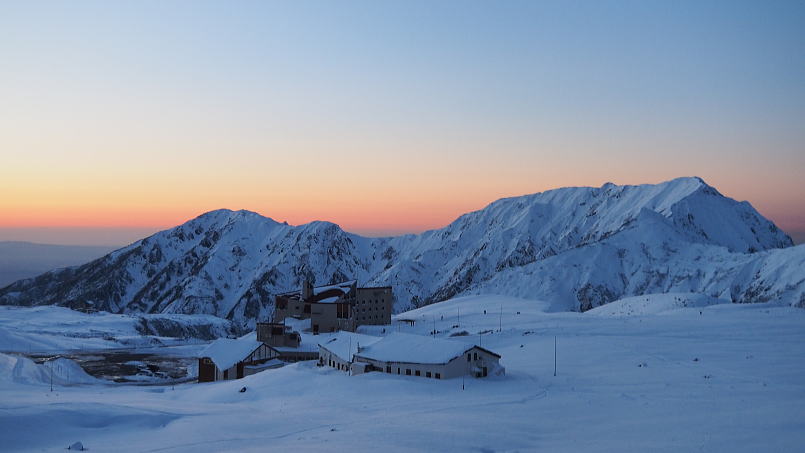
I stepped outside again, chasing the day’s second magic hour.
It was 4:30 in the afternoon?simply breathtaking.
This is Tateyama at its best.
It might sound like a cliche, but it truly feels mystical… even cosmic.
And to be standing there on the snow I love, wearing the skis I love?well, there’s no word for it other than happiness.
Still, in that moment, I wasn’t just admiring the view?I was actually giving a ski lesson to a guest (laughs).
Yes, I’m not a mountain guide; I’m a ski instructor.
And I never miss a perfect opportunity to teach.
We started indoors for a quick briefing, then headed outside.
I chose a slope gentle enough not to make straight-running scary, and we practiced what you see in the video.
That’s what I call B-tele.
My mellow runs from the morning were exactly the same in essence.
From the viewpoint of traditional ski methodology, this might look unorthodox.
Why? Because I don’t use “turns” as my reference.
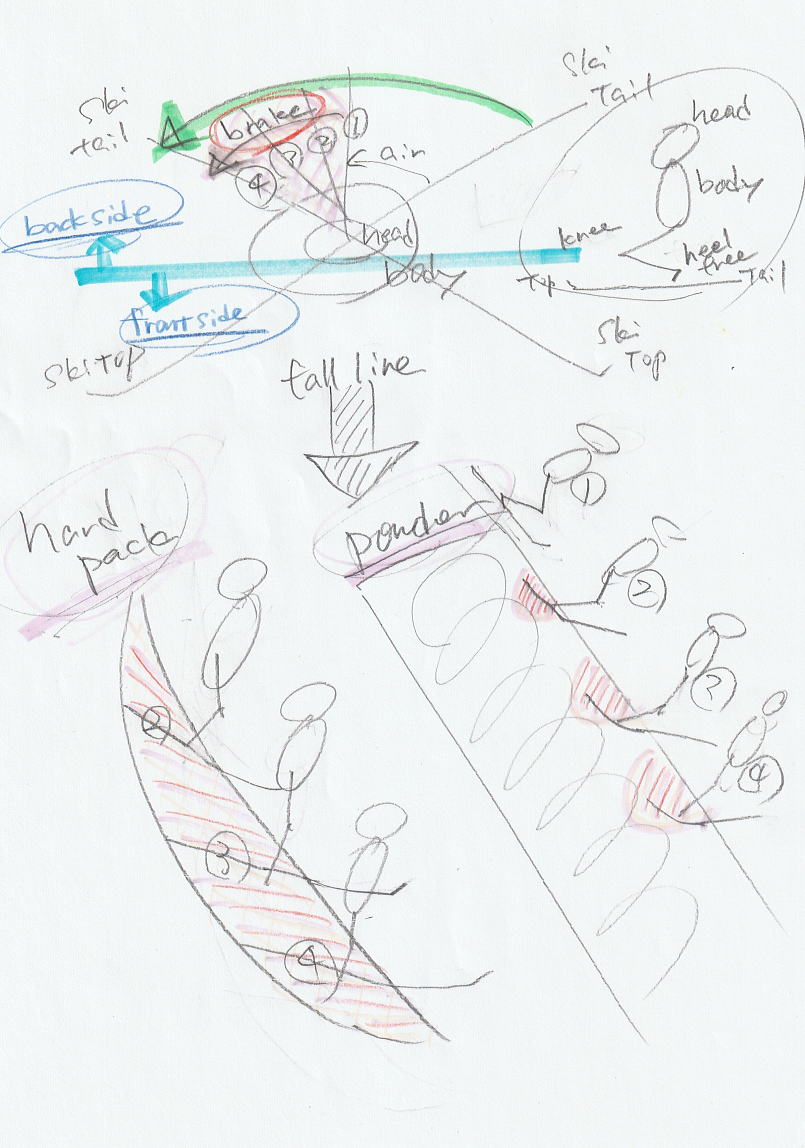
What I focus on is applying braking force against the fall line?then releasing it.
Direction change happens only as a byproduct of that rhythm.
In other words, I’m constantly choosing whether to angle or submerge the tail of the ski just enough to control the descent.
There’s no circular motion like a turn, nor any “telemark position” form just because my heels are free.
So, this isn’t a telemark turn.
By pushing or sinking the uphill ski tail diagonally, my stance naturally shifts fore and aft?that’s all.
Nothing more.
But with just this technique, I can enjoy downhill skiing with free heels in total comfort and confidence.
And now, the season to share that feeling on snow has begun once again.
Ah… what a joy!
|